

Hormonal changes: Dramatic shifts in estrogen, progesterone, and other hormones during pregnancy and after birth affect brain chemistry and mood regulation.
Pregnancy & Postpartum Mental Health Treatment
in South Jersey
Becoming a mother should be a joyful time, but for many women, pregnancy and the postpartum period bring unexpected mental health challenges. If you're struggling with depression, anxiety, or overwhelming emotions during pregnancy or after childbirth, you're not alone.
Our psychiatrists and therapists in Marlton, New Jersey, specialize in perinatal mental health, providing compassionate, evidence-based treatment to help you feel like yourself again.
Request An AppointmentOur psychiatrists and therapists in Marlton, New Jersey, specialize in perinatal mental health, providing compassionate, evidence-based treatment to help you feel like yourself again.
Insurances We Accept












What are Perinatal & Postpartum Mental Health Disorders?
Perinatal mental health disorders include any mental health condition that occurs during pregnancy (prenatal) or within the first year after childbirth (postpartum). These conditions affect roughly 1 in 5 women and can range from mild to severe.
These are real medical conditions, not a sign of weakness or failure. Hormonal changes, sleep deprivation, life adjustments, and other factors can all contribute to perinatal mental health struggles.
These are real medical conditions, not a sign of weakness or failure. Hormonal changes, sleep deprivation, life adjustments, and other factors can all contribute to perinatal mental health struggles.
You're Not Alone
Perinatal mental health conditions are common, treatable, and nothing to be ashamed of. They don’t mean you’re a bad mother or that you don’t love your baby. They’re medical conditions that require treatment, just like any other health issue.
With proper care, most women see significant improvement and go on to enjoy motherhood and bond with their babies. You deserve support, compassion, and effective treatment.
Types of Pregnancy & Postpartum Mental Health Disorders
Postpartum Depression
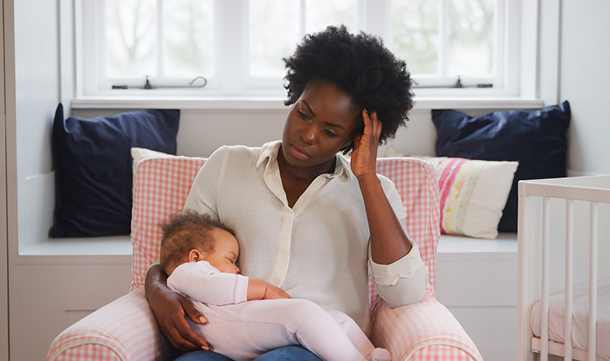
Postpartum depression is the most common perinatal mental health condition, affecting 10-15% of new mothers. This is more than just the “baby blues.” Symptoms include:
- Persistent sadness, emptiness, or hopelessness
- Loss of interest in the baby or activities you once enjoyed
- Difficulty bonding with your baby
- Excessive worry about the baby or lack of concern
- Feelings of inadequacy or being a bad mother
- Changes in appetite or sleep (beyond normal newborn disruption)
- Fatigue and lack of energy
- Difficulty concentrating or making decisions
- Thoughts of harming yourself or the baby
Postpartum Anxiety
Anxiety occurs alongside postpartum depression, but can occur on its own. It involves excessive worry and fear that interferes with daily functioning. Symptoms include:
- Constant worry about the baby’s health or safety
- Intrusive, scary thoughts about something bad happening
- Racing thoughts that won’t shut off
- Physical symptoms like rapid heartbeat, shortness of breath, or dizziness
- Difficulty sleeping even when the baby sleeps
- Need to constantly check on the baby
- Inability to sit still or relax
Postpartum Psychosis
Postpartum psychosis is a rare but serious condition affecting 1-2 per 1,000 women. This is a psychiatric emergency requiring immediate treatment. Symptoms include:
- Hallucinations (seeing or hearing things that aren’t there)
- Delusions (false beliefs)
- Severe confusion or disorientation
- Paranoia
- Rapid mood swings
- Bizarre behavior
- Thoughts of harming yourself or the baby
If you or someone you know shows signs of postpartum psychosis, seek emergency help immediately by calling 911 or going to the nearest emergency room.
Postpartum Obsessive-compulsive Disorder (OCD)
Postpartum OCD involves intrusive, unwanted thoughts (often about harming the baby) and compulsive behaviors performed to reduce anxiety. Symptoms include:
- Intrusive thoughts or images about harming the baby (these thoughts are ego-dystonic, meaning they’re disturbing and go against your values)
- Excessive cleaning or sanitizing
- Repeatedly checking on the baby
- Fear of being left alone with the baby
- Avoidance of objects that could harm the baby (knives, stairs, etc.)
Important: Mothers with postpartum OCD often do not want to harm their babies and are extremely unlikely to act on intrusive thoughts. These thoughts cause significant distress.
Postpartum Post-Traumatic Stress Disorder (PTSD)
This can develop after a traumatic birth experience, pregnancy complications, NICU stay, or previous pregnancy loss. Symptoms include:
- Intrusive memories or flashbacks of the traumatic event
- Nightmares about the birth or pregnancy
- Avoidance of reminders of the trauma
- Hypervigilance or feeling constantly on edge
- Difficulty bonding with the baby due to trauma reminders
- Feeling detached or numb
Prenatal Depression & Anxiety
Mental health conditions during pregnancy are just as common as postpartum conditions, but they often go unrecognized.
Symptoms are similar to postpartum conditions and may include depression, anxiety, excessive worry about the pregnancy or baby’s health, difficulty bonding with the pregnancy, or thoughts of not wanting to be pregnant.
What Causes Perinatal
Mental Health Disorders?
Our Treatments for Pregnancy & Postpartum Mental Health Disorders
Delivered by certified psychiatrists and therapists
in Marlton, New Jersey.
Meet Our Providers Who Treat Pregnancy
& Postpartum Disorders


Get Support for Perinatal Mental Health
in South Jersey
I’m Ready to Feel better
I’m Ready to Talk to someone
I’m Ready to Take control again